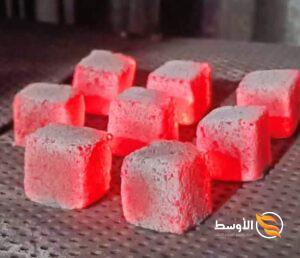
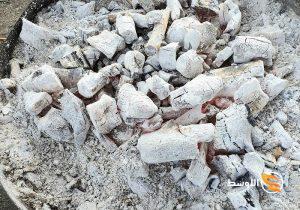
Restaurant charcoal
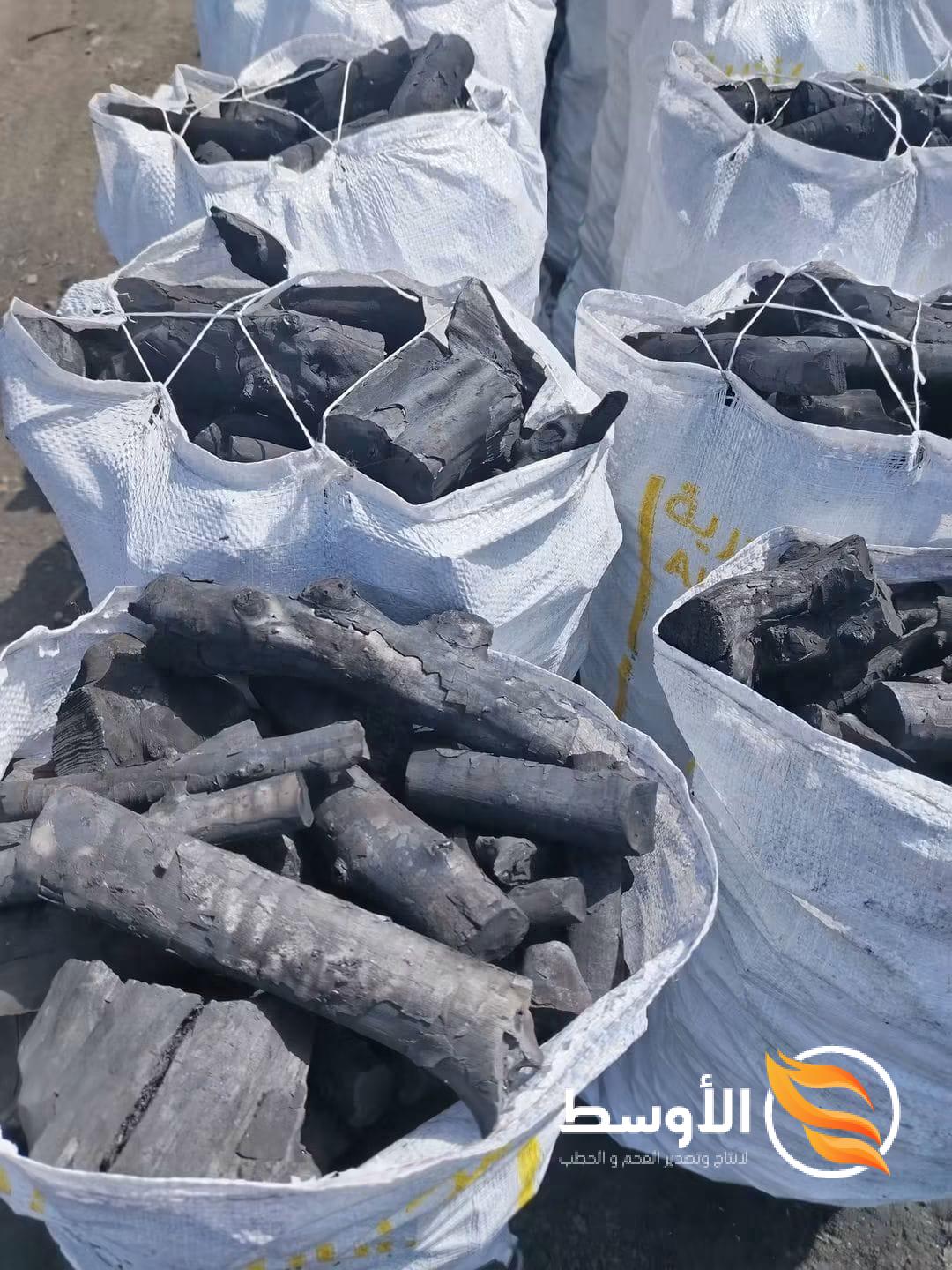
How to choose restaurant charcoal for your grill
Publishing details
Focus keyword: restaurant charcoal
Supporting terms: charcoal for restaurant grills, restaurant charcoal supplier, commercial grilling charcoal
SEO title: Restaurant Charcoal and How to Choose the Right Fuel
Meta description: Choose restaurant charcoal for your grill, menu and service hours. Compare samples, fuel use and supply consistency before placing a regular order.
Suggested tags: Restaurant Charcoal, BBQ Charcoal, Charcoal Quality
Proposed path: /en/restaurant-charcoal-selection/
Image alt text: Graded lump charcoal beside a bag prepared for a restaurant delivery
Article body
Choosing restaurant charcoal starts with the equipment and the way your kitchen works. A restaurant running a grill throughout the day has different needs from a kitchen serving grilled dishes during a short evening service. An open kebab grill may also have different fuel requirements from an enclosed appliance. Before asking for a price, describe the application and plan a trial that measures cooking performance and fuel consumption together.
Two bags sold under the same product name can behave differently because of piece size, the amount of fine material or storage conditions. A useful buying process turns the chef’s observations into a specification that the purchasing team can check on every delivery.
Match the charcoal to your menu
Record the dishes that occupy most of the grill’s working time. Small skewers, thicker cuts and repeated batches of chicken place different demands on service. Note the operating hours and busiest periods. This helps you decide whether the priority is preparation time, manageable heat during service or fewer interruptions to add fuel.
Give the supplier this information when requesting a sample. Ask for the proposed material, size range, net weight and packaging in writing. A wood species name helps identify a product, but it does not establish how a particular batch will perform in your kitchen.
Check the appliance requirements
Read the grill manufacturer’s instructions before changing fuel type, piece size or loading quantity. Check the gaps in the fuel grate and the dimensions of the firebox. Pieces that fall through before being used increase waste, while pieces that need repeated breaking add preparation work and may create more fines.
Commercial solid fuel cooking also requires appropriate extraction and a competent assessment of combustion risks. Low visible smoke does not mean that carbon monoxide is absent. An ordinary fan is not a substitute for a system designed for the installation. Include the suitability of the appliance and premises in the fuel buying decision.
Ask for specifications you can verify
Your enquiry should state the required size range, agreed allowance for fines, pack condition and net weight. If moisture or ash content matters to the supply agreement, specify the test method and the agreed limits. Claims such as zero moisture or all day burning need evidence and clearly stated test conditions.
There is no single specification that suits every restaurant and grill. Set practical limits after testing the sample, then ask for subsequent deliveries to match the approved product. Keep a labelled reference sample if this will help investigate a later change. Record the batch number and date so the comparison remains meaningful.
Compare samples during similar service periods
Use the same grill, starting fuel weight and approved lighting method for each trial. Record when lighting begins, when the grill reaches its working condition, and the timing and weight of every addition. Track the amount of food produced and the chef’s comments on heat control and ease of service.
Repeat the comparison when demand varies. A busy shift and a quiet shift do not provide an equivalent test. Note changes in cooking load or equipment operation alongside the fuel data. The aim is to identify a product that works under your restaurant’s conditions, rather than create a universal ranking of wood species.
Compare service cost and supply reliability
A lower price per kilogram can be offset by higher consumption or a greater share of pieces that your grill cannot use. Calculate the cost of fuel actually used during the shift and relate it to meals served or food weight cooked. Include the effort needed to handle the bags and resolve damaged deliveries.
Before approving regular supply, ask about preparation time, consistency of grading and the procedure for a delivery that does not match the order. Start with a quantity you can evaluate and store properly. Expand the order when the operating record supports the choice.
Questions about restaurant charcoal
Are larger pieces always better
No. A useful size depends on the grate, firebox and operating instructions. Oversized pieces may add preparation work, while undersized material may be lost through the grate. Assess the full size distribution in the bag.
Can one restaurant use more than one type
Yes, when different appliances or applications justify it and each fuel is suitable for its intended equipment. Label and separate the stock so staff can identify the approved fuel for each grill.